From Independence Day to Janmashtami: how celebrations teach values, vocabulary & confidence in the children.
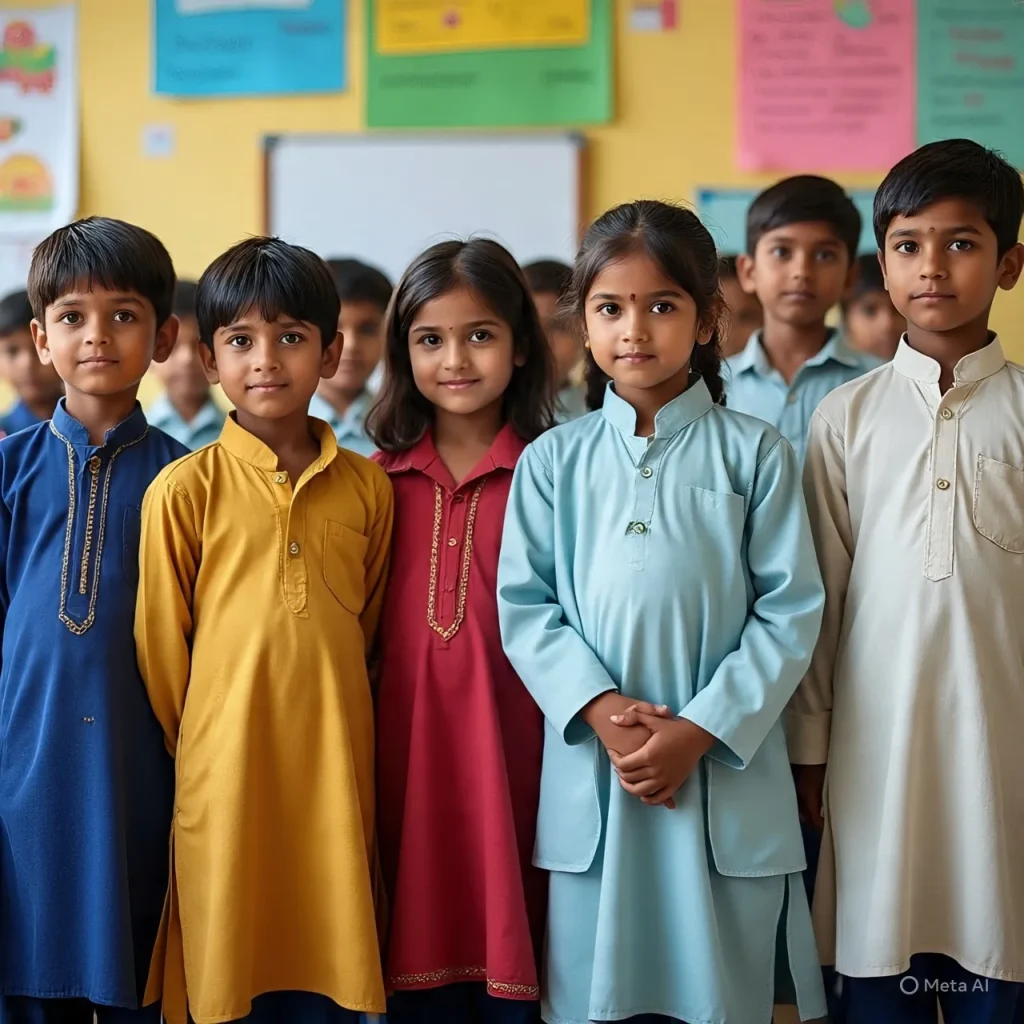
It’s a bright morning in the classroom—children walk in dressed in festive colours, their eyes sparkling with excitement. A group is busy sticking marigold flowers on a paper toran, another is humming a festive song with the teacher, while a few are whispering stories they heard at home about the festival. The air feels different—joyful, curious, alive. This is not just another school day; this is the magic of a Festival Classroom.
Why Festivals Are the Secret Teachers
Festivals in school are more than colourful events. They are silent teachers, helping children grow in ways that worksheets never could:
- Roots of Belonging – Children learn to celebrate not only their own traditions but also respect those of others.
- Words that Sparkle – Every festival introduces new songs, rhymes, and stories that expand vocabulary in fun ways.
- Little Hands, Big Skills – Crafting a diya, painting a flag, or making a lantern builds fine motor skills.
- Hearts That Care – Celebrating together nurtures empathy, kindness, and the joy of sharing.
- Confidence on Stage – Whether reciting a rhyme or dancing, festivals become safe spaces for self-expression.
How We Celebrate, How Children Learn
At our school, every festival is carefully designed to blend celebration with learning. For Diwali, the classroom glows with painted diyas, sparkling lanterns, and the timeless story of light conquering darkness. Independence Day fills the room with songs of pride, unity, and little hands waving the tricolour with joy. Harvest festivals bring the scent of grains, colourful kites, and activities that help children understand gratitude for food and farmers. On Janmashtami, tiny “Krishnas” and “Radhas” step into the classroom dressed in vibrant costumes, clay pots hang as symbols of playful tradition, and children dance to rhythmic bhajans. Through role play, stories of kindness and mischief, and simple art like decorating a flute, children experience the festival’s essence in ways they can touch, hear, and feel.
Teachers weave storytelling, art, music, dance, and sensory play into each celebration, ensuring that children don’t just watch a festival—they live it, question it, and carry its values forward. Every festival becomes a joyful chapter in their learning journey, stitched together with colours, sounds, and emotions that stay with them far beyond the classroom walls.
A Parent’s Role: Turning Home into a Festival Classroom
Parents are partners in this joyful learning. At home, you can:
- Create Together – Let your child help with a simple decoration—like stringing flowers or drawing rangoli.
- Tell Family Stories – Share how you celebrated as a child; these personal tales become family treasures.
- Encourage Sharing – Ask your child to narrate their school celebration—this builds memory, confidence, and storytelling skills.
- Cook & Connect – Prepare a festive snack together; let your child touch, mix, and taste—turning food into learning.
- Celebrate Diversity – Visit a friend’s home during a different festival. Children learn that joy comes in many colours.
More Than a ‘Celebration’
Festival classrooms are not occasional parties—they are living lessons in culture, values, and creativity. They stitch together home and school, tradition and modern learning, joy and wisdom. For every child, each festival becomes a stepping stone toward being a confident, compassionate, and culturally rooted individual.